
Transitioning from Hospital to Home Care
Leaving the hospital after treatment or surgery is often a moment of relief — but it can also bring uncertainty. Many families find that recovery at home presents new challenges, from managing medications and mobility to adjusting to new routines. This is where Personal Support Workers (PSWs) play a vital role in ensuring a safe, comfortable, and confident transition from hospital to home.
At PremierPSW, we understand that post-hospital recovery isn’t just about healing the body — it’s about regaining independence, stability, and peace of mind. Whether you’re caring for an elderly family member, a recovering patient, or someone with long-term health needs, careful planning and professional support can make all the difference.
Why a Smooth Transition Matters

A successful transition from hospital to home can significantly impact recovery outcomes. Without proper planning, many patients struggle with medication management, nutrition, or mobility — sometimes leading to hospital readmission.
A well-managed transition ensures:
- Reduced risk of complications or re-hospitalization
- Better adherence to medical instructions
- Improved comfort, confidence, and safety at home
- Peace of mind for families and caregivers
The goal is to bridge the gap between hospital-level care and independent living — with the right combination of family involvement and professional support.
Preparing Before Discharge

Preparation should begin before the patient leaves the hospital. This allows families and PSWs to create a safe, supportive environment tailored to recovery needs.
Key steps before discharge:
- Talk to healthcare providers: Ask for detailed discharge instructions, including medication lists, physical limitations, dietary guidelines, and signs of complications to watch for.
- Plan transportation: Ensure safe, comfortable travel home with any necessary mobility aids (wheelchairs, walkers, etc.).
- Arrange home support: Schedule a PSW in advance through PremierPSW to assist with the first few days or weeks of recovery.
- Organize supplies: Gather wound care materials, prescribed equipment, or adaptive devices before discharge.
The hospital discharge planner or nurse can often coordinate with a PSW to ensure continuity of care and seamless communication.
Setting Up the Home Environment
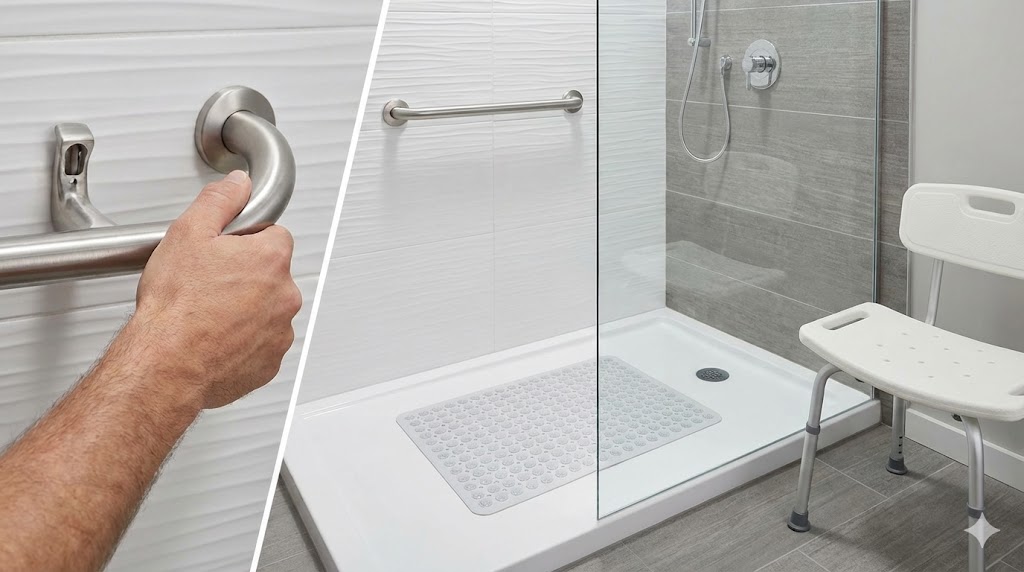
A safe home environment is crucial for recovery. Small adjustments can prevent accidents, support independence, and reduce stress for both the patient and their caregivers.
Home preparation checklist:
- Declutter pathways: Remove obstacles, cords, or rugs that might cause falls.
- Ensure good lighting: Especially in hallways, staircases, and bathrooms.
- Install grab bars: Near toilets, showers, and beds for stability.
- Arrange essential items: Keep water, medication, and the phone within easy reach.
- Set up a rest area: Create a quiet, accessible space for rest and recovery.
Your PSW can assist with this setup, ensuring comfort and accessibility from day one.
The Role of a Personal Support Worker During Transition
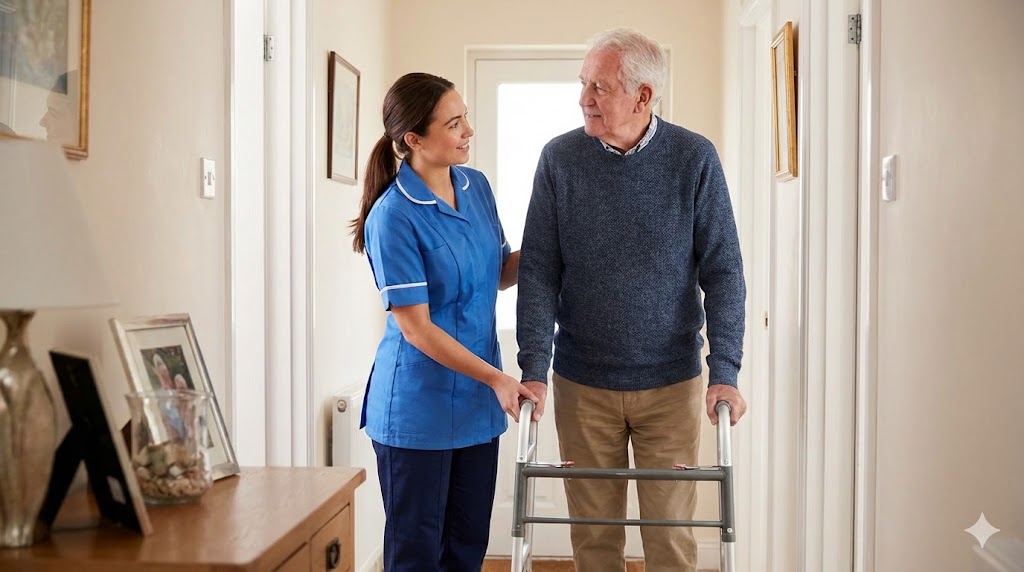
A PSW provides hands-on care and emotional reassurance, helping patients adjust to home life safely and confidently.
Typical PSW responsibilities include:
- Assisting with bathing, dressing, and mobility
- Managing meal preparation and hydration
- Supporting medication reminders and wound care (as directed by healthcare professionals)
- Monitoring recovery progress and reporting concerns
- Providing companionship and emotional encouragement
PSWs also act as a communication bridge between families, nurses, and doctors — ensuring everyone stays informed and aligned on the care plan.
Supporting Emotional Adjustment

Transitioning from hospital care to home can be emotionally challenging. Patients often feel vulnerable or anxious without the constant supervision of medical staff. Families may also worry about doing everything correctly.
Ways a PSW supports emotional well-being:
- Offering reassurance and empathy during recovery
- Encouraging independence in daily routines
- Providing companionship to reduce feelings of loneliness
- Helping patients gradually regain confidence in their abilities
Having a consistent, friendly face each day can make recovery feel less clinical and more personal — something PremierPSW caregivers excel at.
Managing Medications and Follow-Up Care

Medication management is one of the most critical aspects of post-hospital recovery. Errors or missed doses can delay healing or cause setbacks.
Best practices:
- Maintain a written medication chart with clear times and dosages
- Store medications in labeled containers or dispensers
- Review all prescriptions with the PSW and pharmacist for potential interactions
- Schedule and track follow-up appointments using reminders or calendars
PSWs trained in medication support can help keep the routine organized, ensuring patients adhere to the care plan safely and consistently.
Nutrition and Mobility Considerations

Proper nutrition and movement are essential for recovery. Many patients lose appetite after hospitalization or struggle with limited mobility.
Nutrition support tips:
- Prepare small, frequent, nutrient-rich meals
- Encourage hydration throughout the day
- Incorporate physician-recommended supplements if needed
- Keep easy-to-digest snacks nearby
Mobility assistance:
- Encourage short, supervised walks if approved by a doctor
- Use mobility aids correctly and safely
- Perform gentle exercises to maintain strength and circulation
A PSW can assist with both meal preparation and light physical activities, ensuring recovery happens at a steady and safe pace.
Family Involvement and Communication

Family members play an important role in emotional support, but professional caregivers ensure consistency and safety in daily care tasks. The key is teamwork and open communication.
To maintain a healthy balance:
- Stay informed about your loved one’s progress through daily PSW updates
- Ask questions and clarify any care instructions you don’t understand
- Avoid micromanaging — trust the PSW’s training and experience
- Check in regularly to ensure your loved one feels comfortable and heard
PremierPSW encourages collaboration between families and caregivers, fostering a positive and unified care environment.
Preventing Hospital Readmission
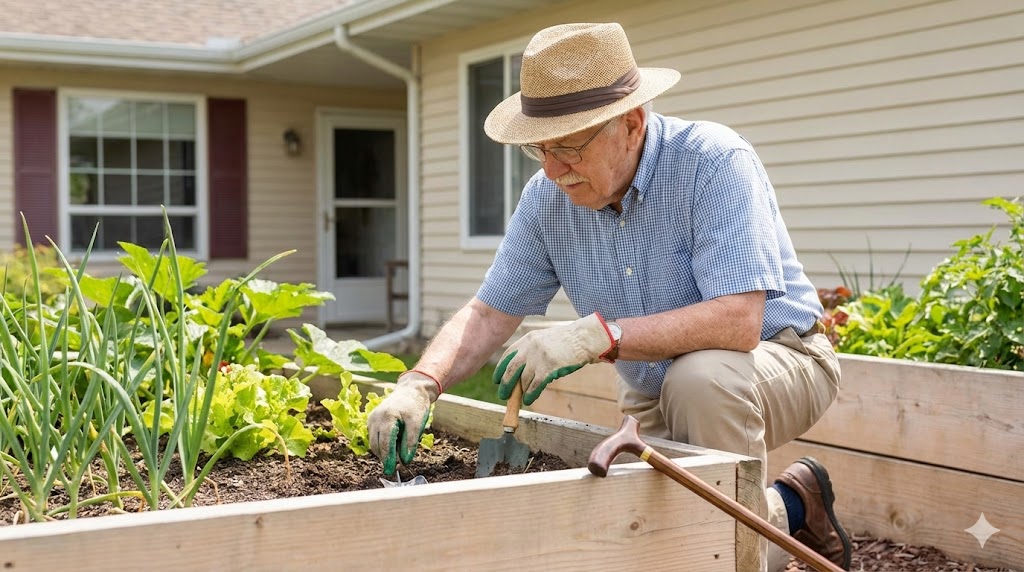
The weeks following discharge are critical. Preventing hospital readmission requires vigilance, communication, and timely intervention when issues arise.
Ways to reduce risk:
- Follow all post-discharge instructions carefully
- Keep track of symptoms and communicate concerns promptly
- Avoid skipping medications or follow-up appointments
- Ensure adequate rest and emotional support
With a PSW’s help, families can maintain these routines confidently — reducing the likelihood of setbacks or emergencies.
When to Reassess Care Needs

Recovery is a dynamic process. Some patients regain independence quickly, while others may require extended or increased support.
Signs it may be time to adjust care:
- Slower-than-expected progress
- Persistent fatigue or confusion
- Increased fall risk or difficulty managing tasks
- Emotional distress or isolation
PremierPSW allows families to easily modify care plans, add new services, or schedule additional PSW hours as needs evolve.
Final Thoughts
The transition from hospital to home marks the beginning of a new chapter — one that requires compassion, patience, and teamwork. With the guidance of skilled Personal Support Workers, recovery becomes less daunting and more empowering.
At PremierPSW, we make this transition seamless. Our platform connects families with qualified, vetted PSWs who specialize in post-hospital care — ensuring that every patient receives the attention, safety, and support they deserve.
Whether it’s helping with daily tasks, emotional encouragement, or medical coordination, PSWs are more than caregivers — they’re partners in recovery.
“Healing doesn’t end at the hospital door — it continues at home, with the right care, compassion, and support guiding every step.”

