
How to Communicate Effectively with Your PSW
Building a strong relationship with your Personal Support Worker (PSW) begins with one essential skill — communication. Effective communication ensures that both the client and the PSW understand each other’s expectations, preferences, and boundaries. It lays the foundation for a caring, respectful, and trusting partnership.
At PremierPSW, we believe that care is most effective when both parties feel heard and understood. Whether you’re hiring a PSW for the first time or have ongoing care in place, clear communication can make the experience smoother and more rewarding for everyone involved.
Why Communication Matters in Personal Care

Personal support services involve close physical and emotional interaction. A PSW helps with personal hygiene, mobility, meals, and companionship — all of which require sensitivity and respect for personal boundaries.
Good communication:
- Promotes trust and comfort
- Ensures safety and consistency in care routines
- Helps prevent misunderstandings or conflicts
- Builds emotional connection and reliability
- Encourages feedback and continuous improvement
Without open dialogue, even small issues — like meal preferences or scheduling changes — can create frustration. A transparent communication style sets the tone for a long-lasting, positive relationship.
Establishing Expectations from the Start

Before care begins, take time to discuss key details. Setting clear expectations early ensures that your PSW understands your needs and you understand their role and responsibilities.
Topics to cover in the first meeting:
- Daily routines (wakeup times, meal preferences, medication schedules)
- Mobility assistance or health-related limitations
- Privacy preferences (rooms or topics off-limits)
- Emergency procedures and contact numbers
- Communication methods — phone, text, or in-person notes
Documenting these expectations in a shared care plan can prevent confusion later. PremierPSW's platform allows you to keep communication organized, so updates and requests are always clear.
Practicing Respectful Two-Way Communication

Respect is the foundation of every professional relationship — and caregiving is no exception. It’s important for clients and families to remember that PSWs are trained professionals with valuable expertise.
Best practices for mutual respect:
- Address concerns privately and calmly
- Listen to your PSW’s feedback — they often notice important details about health or mood changes
- Avoid giving contradictory instructions from multiple family members
- Show appreciation for their effort and care
Similarly, PSWs are encouraged to communicate respectfully, provide updates, and check in about any concerns regarding the client’s comfort or safety.
Overcoming Common Communication Barriers

Sometimes communication challenges arise naturally due to differences in language, culture, or personality. The key is awareness and flexibility.
Strategies to overcome barriers:
- Use simple, clear language when explaining tasks
- Encourage the PSW to ask questions or clarify instructions
- Be patient with differences in communication styles
- Use written notes or visual aids for routines or medication lists
- Schedule regular check-ins to review progress and comfort levels
If you sense tension or confusion, address it early. A five-minute conversation can often resolve issues before they escalate.
Encouraging Openness and Feedback

The best care happens when communication flows both ways. Encourage your PSW to share observations about your loved one’s health, mood, or daily habits.
Ways to promote openness:
- Ask open-ended questions such as “How has Mom been today?” or “Have you noticed any changes?”
- Thank them for updates, even if the information is difficult
- Provide constructive feedback using positive language — for example, “I really appreciate how you help with meals; could we also try adding more walks?”
By creating an environment where feedback is welcomed, you build a stronger partnership based on trust and collaboration.
Managing Sensitive Conversations

There may be times when you need to discuss sensitive topics, such as personal hygiene, scheduling issues, or changes in care quality. These conversations can be uncomfortable but are necessary for effective caregiving.
Tips for handling delicate discussions:
- Choose a private setting with minimal distractions
- Speak calmly and focus on facts, not emotions
- Use “I” statements instead of “You” statements (e.g., “I feel concerned about…” rather than “You never…”)
- Offer solutions or compromises rather than just pointing out problems
- End with appreciation for their continued effort
This approach maintains professionalism and respect, even in challenging moments.
Leveraging Technology for Better Communication
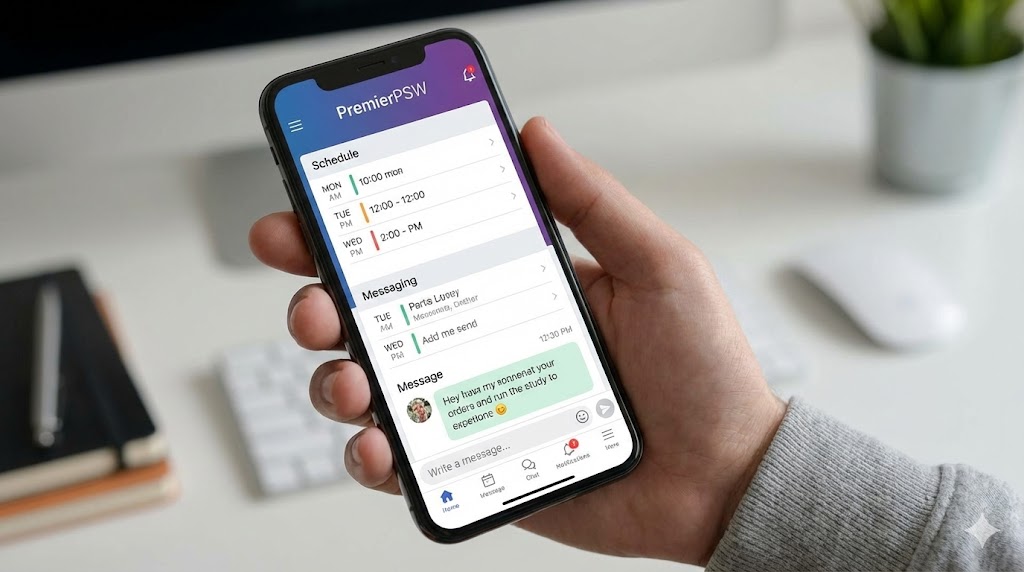
In today’s digital world, managing care communication has become easier. Platforms like PremierPSW streamline the process by offering tools to manage schedules, payments, and messages securely — all in one place.
Benefits of using a centralized platform:
- Clear record of conversations and updates
- Reduced chances of missed messages or miscommunication
- Easy access to care plans and PSW availability
- Secure documentation of tasks, hours, and feedback
Technology not only saves time but also enhances transparency and accountability, helping both families and PSWs stay aligned.
Supporting Emotional Connection and Compassion

A successful caregiver relationship goes beyond logistics. Empathy and kindness are at the heart of great communication. Taking time to connect personally — a warm greeting, asking about their day, or expressing gratitude — fosters mutual respect and morale.
Simple gestures that strengthen relationships:
- Acknowledge good work regularly
- Celebrate small milestones in care progress
- Remember personal details (birthdays, holidays, preferences)
- Express gratitude sincerely — “Thank you” goes a long way
These small actions create a sense of partnership and belonging that benefits both the client and the caregiver.
When Communication Breaks Down

Even with the best intentions, misunderstandings can occur. What matters is how you address them.
Steps to restore communication:
- Pause before reacting emotionally.
- Revisit what was said or done, and identify the misunderstanding.
- Speak privately and focus on resolution, not blame.
- Clarify roles, boundaries, or expectations if needed.
- Follow up later to ensure both parties feel satisfied.
In some cases, PremierPSW's support team can assist in mediating or helping find a new match if communication challenges persist.
Final Thoughts
Good communication is the foundation of compassionate, consistent care. It turns a professional relationship into a partnership based on trust, empathy, and shared purpose.
By setting clear expectations, staying respectful, and keeping communication open, you empower both yourself and your PSW to provide the best possible care experience.
At PremierPSW, we’re committed to helping families and caregivers connect and collaborate effectively — ensuring that every care journey is defined by understanding, respect, and peace of mind.
“Effective communication is the bridge between care and compassion. When you and your PSW communicate openly, every moment of care becomes an act of trust.”
